
 AsimAli
 Car key technology has advanced dramatically over the past few decades. What was once a simple metal key is now a sophisticated device that communicates with your vehicle’s computer system.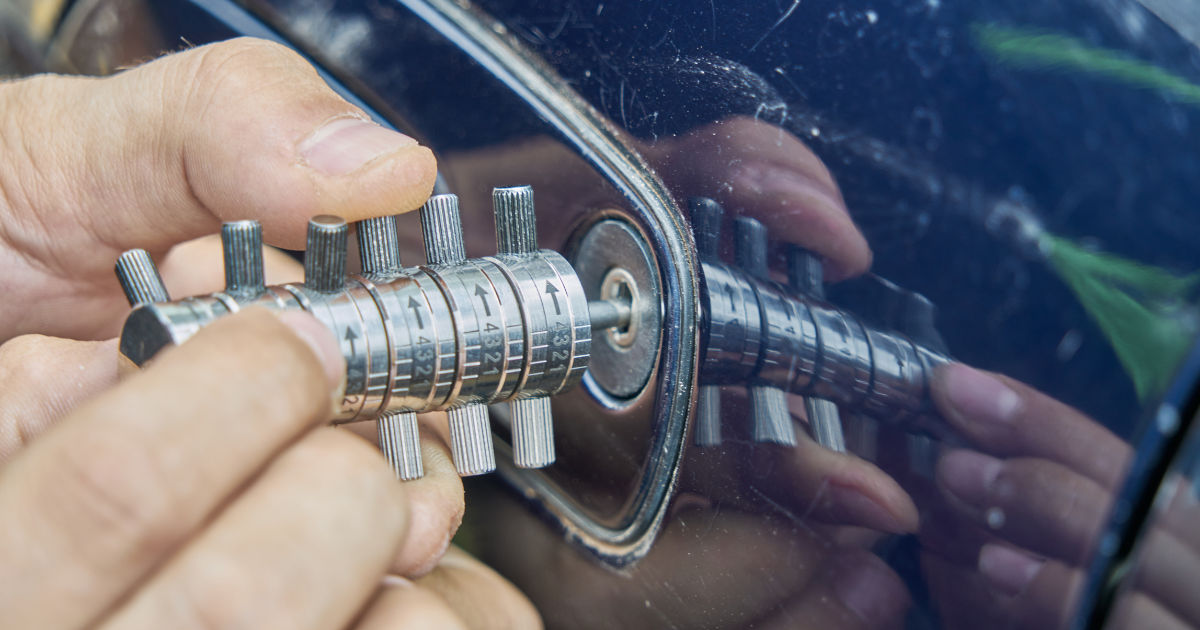
Car key programming has become an essential part of modern vehicle security, ensuring that only authorized keys can start a car.
In this guide, we will explore how mobile car key programming works, the technology behind it, and how professionals and car owners can benefit from it.
Car Key Programming
At its core, car key programming is the process of configuring a car key to work with a specific vehicle. Modern car keys often include electronic components such as transponders or remote chips. These components must be synchronized with the car’s onboard computer to function correctly. Without proper programming, the key may not start the car or operate other features like keyless entry.
Traditionally, car keys were purely mechanical, relying on the physical shape of the key to turn the ignition. Today, most keys are electronic, requiring both the right physical cut and a matching electronic code. Mobile car key programming allows technicians to program keys on-site using specialized devices, making the process faster and more convenient than ever.
Types of Car Keys
Understanding the types of car keys is important before diving into car key programming. There are several categories:
Mechanical Keys
These are the traditional keys used in older vehicles. They operate purely through mechanical cuts and do not require electronic programming. However, mechanical keys are now rare, especially in newer cars.
Transponder Keys
Transponder keys have a small chip embedded in the plastic head. The chip communicates with the vehicle’s immobilizer system. Only if the chip’s code matches the car’s system will the engine start. Transponder keys require car key programming to match the vehicle’s security system.
Remote Keys
Remote keys include buttons to lock and unlock doors, and sometimes even start the car remotely. These keys often combine a transponder chip with a remote transmitter. Programming is essential for both the remote functions and the ignition functions.
Smart Keys / Key Fobs
Smart keys or key fobs provide keyless entry and push-button start capabilities. They use radio frequency communication to interact with the car. These keys often require advanced car key programming techniques to synchronize with the vehicle’s systems.
How Mobile Car Key Programming Works
Mobile car key programming involves using portable tools to program a new key or reprogram an existing one without needing to visit a dealership. This is useful for lost keys, spare keys, or replacements. Here’s a breakdown of the process.
Step 1: Verification
Before programming, technicians verify the vehicle make, model, and year. They check if the key is compatible and confirm the type of immobilizer system in the vehicle. Different cars use different communication protocols, so this step ensures that the programming device will work correctly.
Step 2: Key Identification
If the key is new, it must be identified by the programming device. Mobile programmers scan the key’s chip to determine its type and frequency. For used keys, the technician may need to reset the chip or erase previous codes to avoid conflicts.
Step 3: Communication with Vehicle
The programmer communicates with the vehicle’s onboard computer. This is done through the OBD-II port, usually located under the dashboard. The device establishes a secure connection with the car’s immobilizer system. This allows the technician to send the key’s unique code and sync it with the car.
Step 4: Programming the Key
Once communication is established, the programmer writes the key’s code to the car’s system. For transponder keys, this involves encoding the chip so that the car recognizes it. For smart keys, the device may also configure remote functions like door locks or push-button start.
Step 5: Testing
After programming, the key is tested. The technician checks if the key can start the car, lock and unlock doors, and operate any additional functions. If the key fails, the process may be repeated or the device settings adjusted.
Advantages of Mobile Car Key Programming
Mobile car key programming offers several benefits for car owners and professionals:
-
Convenience: The technician can come to your location, eliminating the need for a tow to a dealership.
-
Speed: Programming on-site is often faster than visiting a service center.
-
Cost-Effective: Mobile programming can be less expensive than dealer services.
-
Multiple Vehicles: Professionals can program keys for a variety of makes and models using portable devices.
Tools Used in Car Key Programming
Successful mobile car key programming requires specialized tools. Here are some common devices:
OBD-II Programmers
These devices connect directly to the car’s OBD-II port. They communicate with the car’s immobilizer system and allow the technician to program the key.
Handheld Key Programmers
Portable key programmers can identify key chips, reset codes, and program new keys. These tools are essential for mobile technicians.
Diagnostic Scanners
Some advanced diagnostic tools can read fault codes, reset security settings, and assist in programming smart keys.
Software Applications
Modern programming tools often include software apps for updates, database access, and step-by-step programming guidance.
Common Challenges in Car Key Programming
While mobile car key programming is highly effective, technicians may face challenges:
-
Immobilizer Lockout: Some vehicles lock the system after multiple failed attempts. This requires additional steps to reset.
-
Key Compatibility: Not all keys are compatible with all vehicles. Using an incorrect key type can damage the immobilizer.
-
Security Updates: Manufacturers frequently update security protocols, requiring the latest software and tools.
-
Battery Issues: Dead batteries in the key or the car can interfere with programming.
Tips for Car Owners
Car owners can take several precautions to make car key programming smooth:
-
Keep your car’s VIN handy for reference.
-
Choose certified mobile technicians with updated equipment.
-
Avoid buying cheap or unverified keys online, as they may not work with your vehicle.
-
Make sure the car battery is fully charged during programming.
Car Key Programming for Lost Keys
Losing a car key can be stressful. Mobile car key programming provides a fast solution. Technicians can create a new key and program it on-site without needing the original. This involves:
-
Verifying the car’s immobilizer system.
-
Scanning the vehicle to generate a new code.
-
Programming the replacement key.
-
Testing all key functions to ensure full operation.
Car Key Programming for Spare Keys
Having a spare key is crucial in case of emergencies. Mobile programming allows car owners to add extra keys without visiting a dealership. Spare keys can be programmed to match all functions of the original key, including remote and push-button start features.
Advanced Technologies in Car Key Programming
The automotive industry is evolving rapidly. New technologies impact how car key programming is done:
Proximity Keys
Proximity keys detect when the driver is near the car and unlock doors automatically. Programming these keys involves syncing the chip with the vehicle’s wireless system.
Push-Button Start
Cars with push-button start require precise programming of the key’s chip. The car’s computer must recognize the key to allow ignition, which adds complexity to mobile programming.
Encrypted Key Systems
Many manufacturers now use encrypted key systems for added security. Mobile programmers must be capable of handling encrypted codes to ensure the key works correctly.
DIY vs Professional Car Key Programming
Some car owners may consider programming keys themselves. However, this comes with risks:
-
Incorrect programming can damage the car’s immobilizer.
-
DIY tools may not support the latest security protocols.
-
Mobile professional technicians have access to updated software and experience handling complex key systems.
For most car owners, professional mobile car key programming is safer, faster, and more reliable.
Cost of Car Key Programming
The cost varies depending on key type, vehicle make, and location. Mobile services generally range from $50 to $200 for standard keys and $200 to $500 for smart keys. Factors influencing cost include:
-
Complexity of the key system.
-
Need for on-site service.
-
Brand-specific security requirements.
Safety and Security Considerations
Security is a key reason modern vehicles use electronic keys. Car key programming ensures:
-
Only authorized keys can start the vehicle.
-
Lost or stolen keys can be deactivated.
-
Remote and smart key functions remain secure.
Always ensure that programming is done by certified technicians to avoid unauthorized access to your vehicle.
The Future of Car Key Programming
The future promises more advanced key technologies:
-
Mobile apps integrated with vehicles may reduce reliance on physical keys.
-
Biometric authentication could complement or replace traditional keys.
-
Over-the-air programming might allow car key updates without visiting a technician.
Despite these innovations, mobile car key programming will continue to be important for replacing, repairing, and configuring car keys.
Conclusion
Mobile car key programming is an essential service for modern car owners. It allows for quick and convenient key replacement, spare key creation, and enhanced vehicle security. By understanding how it works—from identifying the key type to programming and testing—you can appreciate the technology behind this critical service. Mobile programming is faster, cost-effective, and flexible compared to traditional dealership services. As cars evolve, professional key programming will continue to adapt, ensuring drivers maintain control over their vehicles’ security and functionality.
Whether you have a transponder key, remote key, or smart key, mobile car key programming provides a reliable solution to keep your vehicle accessible and secure.